As cooler months approach, your water heater becomes one of the most important systems in your home. It works harder during colder weather, especially when demand for showers, laundry, and dishwashing increases. Catching early warning signs can help you avoid sudden breakdowns and uncomfortable cold-water surprises.
If your water heater is acting unusually, it may be time to get it checked by a professional plumber in New Orleans. You can schedule service online or call (504) 386-5243 for prompt help before small issues turn into bigger repairs.
Why Water Heaters Struggle More in Winter
Water heaters naturally work harder when incoming water temperatures drop. That means even small problems can become more noticeable during colder months.
Common winter strain factors include:
- Higher hot water usage during holidays
- Colder incoming groundwater temperatures
- Sediment buildup is reducing heating efficiency
- Aging components reaching their limit
Understanding these stress points helps you spot issues early.
Signs Your Water Heater Needs Attention
1. Water Takes Too Long to Heat
If you notice delays in getting hot water, your system may be struggling. This can happen due to:
- Failing heating elements (electric units)
- Burner issues (gas units)
- Sediment buildup inside the tank
Slow heating is often an early warning sign.
2. Water Isn’t Hot Enough
If your water never reaches the usual temperature, it may indicate:
- A malfunctioning thermostat
- Worn-out heating components
- Mineral buildup is affecting performance
This issue usually gets worse over time if ignored.
3. Strange Noises from the Tank
Rumbling, popping, or banging sounds are common signs of sediment buildup at the bottom of the tank. When water heats beneath this layer, it creates noise and reduces efficiency.
4. Rusty or Discolored Water
If your hot water appears brown, yellow, or rusty, it could signal:
- Corrosion inside the tank
- Deteriorating anode rod
- Aging water heater nearing the end of its lifespan
This should be checked promptly to avoid further damage.
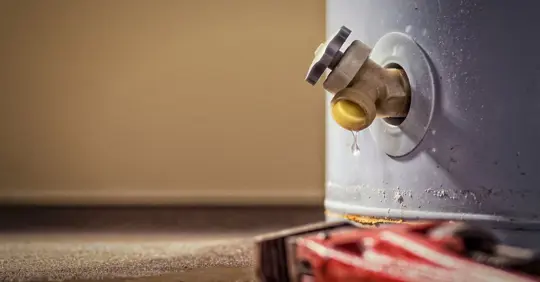
5. Water Leaks Around the Unit
Any moisture or pooling near your water heater should be taken seriously. Possible causes include:
- Loose connections
- Pressure valve issues
- Internal tank damage
Leaks can worsen quickly and should be inspected as soon as possible.
What a Professional Inspection Can Reveal
A licensed plumber can perform a full check of your system, including:
- Testing heating elements or burner operation
- Flushing sediment buildup from the tank
- Inspecting valves and pressure relief systems
- Checking for corrosion or wear
- Ensuring safe and efficient operation
You can learn more about plumbing support services here:
Simple Maintenance Tips Before Winter
Taking small steps before colder weather arrives can help improve performance:
- Flush the tank to reduce sediment buildup
- Check the temperature setting (typically around 120°F is recommended)
- Inspect for visible leaks or rust
- Test hot water flow in multiple fixtures
- Schedule routine maintenance if the unit is older
These steps can help reduce unexpected issues during peak winter use.
When to Call a Professional Immediately
Some water heater problems should not wait. Contact a plumber right away if you notice:
- No hot water at all
- Water is leaking heavily from the tank
- Rust-colored water throughout the home
- Burning smells or electrical issues
- Loud banging or unsafe operation
Early attention can help prevent more serious plumbing damage.
Stay Ahead of Cold Weather Problems
Your water heater plays a major role in home comfort, especially during colder months. Recognizing early warning signs can help you avoid sudden breakdowns and ensure reliable hot water when you need it most.
If you notice any of the signs above, reach out to Saia Plumbing Inc. for professional assistance. Schedule service today or call (504) 386-5243 to get ahead of winter plumbing issues before they escalate.